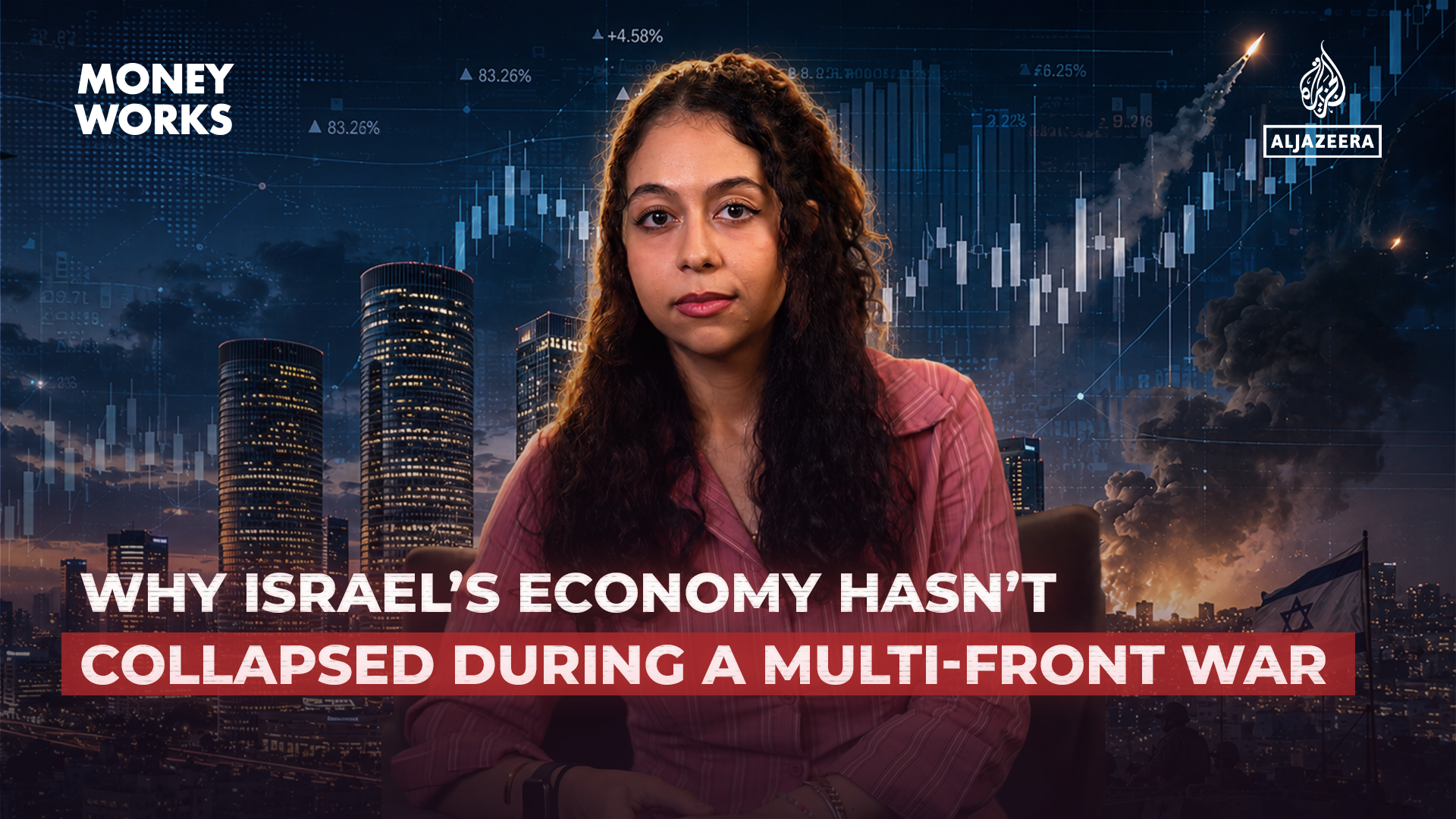
Understanding Economic Durability in Times of Conflict
In an era marked by geopolitical complexities, the sustained economic performance of nations engaged in conflict often sparks considerable interest and analysis. Israel, currently navigating a multi-front engagement, presents a compelling case study, having managed to uphold a robust economic posture, drawing in substantial foreign investment, and preserving the strength of its national currency. This resilience challenges conventional expectations regarding the economic impact of prolonged conflict and warrants a detailed examination of the underlying factors.
The Foundations of Economic Strength
Several structural elements contribute to Israel's economic durability. A key pillar is its highly developed and innovative technology sector, often referred to as 'Silicon Wadi.' This sector, characterized by a vibrant startup ecosystem and a strong emphasis on research and development, has consistently attracted global venture capital and multinational corporations. The export of high-tech products and services provides a significant and relatively stable source of revenue, often insulated from regional political fluctuations. Investments in cybersecurity, artificial intelligence, and biotechnology continue to drive growth, creating a dynamic economic environment that can adapt to various challenges.
Strategic Fiscal Management and Monetary Policy
The Israeli government and its central bank have historically adopted prudent fiscal and monetary policies. A disciplined approach to public spending, coupled with efforts to maintain a manageable national debt, provides a buffer against economic shocks. The Bank of Israel's proactive monetary policy, including strategic interest rate adjustments and foreign exchange interventions, plays a crucial role in stabilizing the currency and controlling inflation. This careful management instills confidence among international investors, ensuring continued capital inflows even during periods of heightened tension. Furthermore, the nation's ability to access international financial markets and secure credit lines underscores its perceived financial stability.
Human Capital and Adaptability
Israel's highly educated workforce and its culture of innovation are invaluable assets. The emphasis on STEM education and the significant investment in human capital development have created a skilled labor pool capable of driving economic growth. In times of conflict, the inherent adaptability of the workforce and the flexibility of businesses to adjust operations have been critical. The ability of the economy to quickly pivot and reallocate resources, coupled with government support for businesses affected by conflict, helps mitigate downturns and facilitates recovery. This resilience is also bolstered by a strong national identity and a collective sense of purpose, which can translate into economic fortitude.
International Support and Strategic Alliances
Another significant factor is the consistent international support Israel receives, particularly from key strategic allies. This support often manifests in various forms, including military aid, economic assistance, and favorable trade agreements. Such alliances not only provide direct financial benefits but also enhance investor confidence by signaling a stable geopolitical environment for long-term investments. The integration into global supply chains and access to international markets further diversify economic risks and create opportunities for growth, even when regional trade might be impacted.
Domestic Demand and Consumer Confidence
While often overshadowed by external factors, the strength of domestic demand and consumer confidence also plays a role. Despite periods of conflict, the Israeli populace has demonstrated a remarkable ability to maintain economic activity. Government measures, such as providing compensation for businesses and individuals affected by security events, help to sustain consumer spending and prevent a sharp decline in economic output. The domestic market, though smaller than some global counterparts, provides a foundational level of demand that contributes to overall economic stability.
Challenges and Future Outlook
Despite these strengths, the economy is not without its challenges. Prolonged conflict can lead to increased defense spending, potential labor shortages due to reservist call-ups, and a dampening effect on certain sectors like tourism. The long-term psychological and social impacts also warrant consideration. However, the multifaceted approach combining technological prowess, sound financial management, a skilled workforce, and international backing has enabled Israel to navigate these turbulent times with considerable economic steadiness. The ongoing ability to attract substantial investment and maintain a strong currency, even amidst a multi-front conflict, suggests a deeply entrenched economic resilience that is likely to continue adapting to future challenges.