The Dire State of Gaza's Healthcare Infrastructure
The healthcare system within the Gaza Strip has faced significant degradation over an extended period, leading to a critical situation for its residents. Reports indicate that systematic damage to medical facilities and infrastructure has rendered many essential services unavailable or severely compromised. This has forced a substantial number of Palestinian patients to seek medical treatment outside of Gaza, often for conditions that cannot be adequately addressed within the enclave. The ongoing challenges highlight a severe humanitarian concern, with the well-being of a large population at stake.
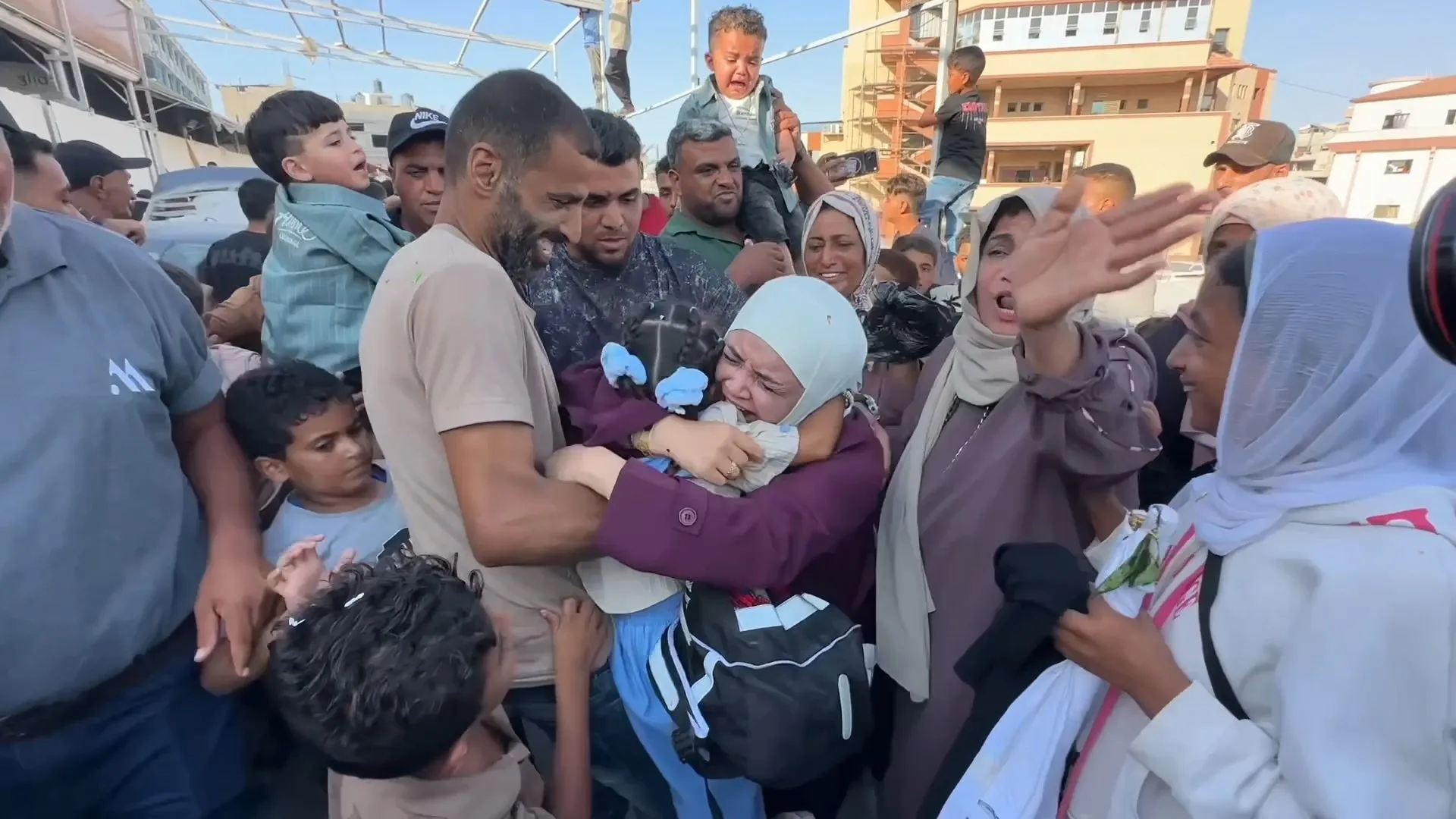
For those fortunate enough to receive care abroad, the journey is often protracted and fraught with difficulties. The recent return of some patients, reuniting with their families after nearly three years of separation, underscores both the lengthy nature of these medical journeys and the profound impact on personal lives. These reunions, while joyful, serve as a poignant reminder of the broader crisis affecting countless others who remain trapped by circumstances beyond their control. The emotional toll on individuals and families, stemming from prolonged separation and uncertainty, is immeasurable and adds another layer of complexity to the already challenging situation.
Obstacles to Medical Evacuation
Despite the critical need for external medical intervention, a significant number of patients continue to face obstacles in leaving Gaza. Thousands of individuals requiring urgent medical attention are reportedly being prevented from accessing necessary treatment outside the enclave. These restrictions contribute to a growing backlog of patients in critical condition, further exacerbating the humanitarian crisis. The process of obtaining permission for medical travel is often described as opaque and inconsistent, creating immense anxiety and uncertainty for patients and their families. Delays in approval can have life-threatening consequences, particularly for those with time-sensitive medical conditions.
International organizations and human rights groups have consistently raised concerns about the impact of these restrictions on the health and rights of Palestinians in Gaza. They argue that access to healthcare is a fundamental human right, and that impediments to medical evacuation contribute to a worsening public health situation. The absence of a fully functional and accessible healthcare system within Gaza, combined with external travel restrictions, creates a perilous environment where treatable conditions can become fatal. This dual challenge places an immense burden on the local medical community, which often operates with limited resources and under immense pressure.
The systematic degradation of medical infrastructure in Gaza necessitates external medical care for thousands, yet significant barriers continue to prevent many from accessing life-saving treatment.
Long-Term Implications for Public Health
The persistent issues surrounding medical access and the state of healthcare infrastructure in Gaza have far-reaching implications for public health. Beyond immediate patient care, the inability to provide comprehensive medical services impacts preventative care, disease management, and public health initiatives. The lack of specialized equipment, essential medicines, and trained personnel contributes to a decline in overall health outcomes for the population. Chronic diseases, infectious diseases, and trauma-related injuries all pose significant challenges in an environment where medical resources are scarce and access to advanced treatment is severely limited.
Furthermore, the brain drain of medical professionals, who often seek opportunities in areas with better resources and working conditions, further weakens the local healthcare system. This cycle of decline is difficult to break without substantial investment and a consistent flow of medical supplies and expertise. The psychological impact on healthcare workers, who are often overwhelmed and under-resourced, is also a critical concern. They operate in an environment of constant crisis, facing ethical dilemmas and emotional distress as they strive to provide care with limited means.
Calls for Greater Access and Support
There are ongoing calls from various international bodies and humanitarian organizations for increased access to medical care for residents of Gaza. These calls emphasize the need for unimpeded movement for patients requiring treatment abroad, as well as for the sustained rebuilding and strengthening of Gaza's internal healthcare infrastructure. Addressing the root causes of the healthcare crisis, including the availability of essential medical supplies, equipment, and training, is crucial for long-term stability and improved health outcomes.
Advocates also highlight the importance of international cooperation and humanitarian aid to alleviate the immediate suffering and to support the development of a resilient healthcare system. Without a concerted effort from all stakeholders, the challenges faced by Palestinian patients in Gaza are likely to persist, perpetuating a cycle of medical hardship and humanitarian concern. The human cost of these ongoing restrictions is immeasurable, affecting not only the patients themselves but also their families and the broader community.