The Lingering Quest for Justice in Beirut
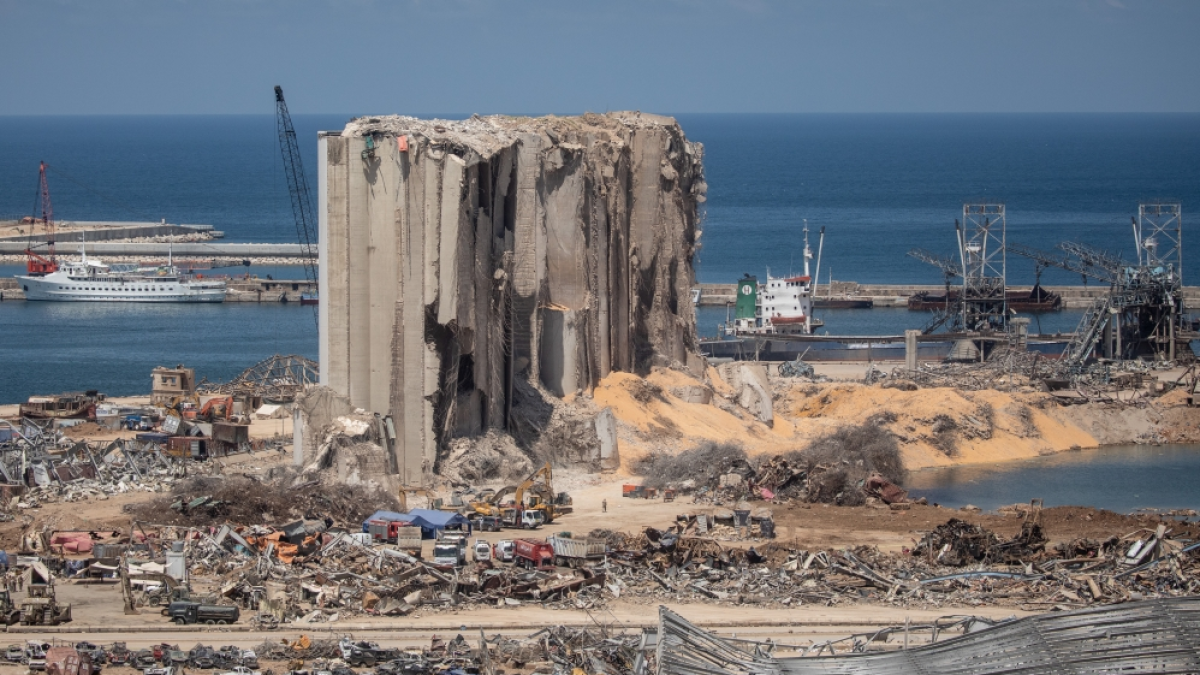
August 4, 2020, at precisely 6:07 PM, marked a tragic moment in Beirut's history. A massive explosion at the city's port claimed the lives of at least 218 individuals, injured 7,000, and left over 150 with permanent disabilities. This catastrophic event, which devastated parts of the capital, is widely understood not as an accident but as a foreseeable consequence of negligence: thousands of tons of ammonium nitrate were stored unsafely in the heart of the city, a fact known and documented by high-ranking state officials.
For six years, families of the victims have navigated a labyrinthine legal process, marked by delays and obstructions. The initial investigating judge was removed after attempting to summon government ministers for questioning. His successor, Judge Tarek Bitar, faced numerous lawsuits from those he sought to interrogate, leading to extended suspensions of the investigation. Political figures, shielded by self-granted immunity, have largely avoided accountability, leaving families to confront a system seemingly designed to protect its own rather than deliver justice.
A Glimmer of Progress Amidst Persistent Obstacles
A significant development occurred in March, when Lebanon's domestic investigation concluded. The comprehensive file, reportedly naming 70 officials and security officers, was submitted to Public Prosecutor Ahmad Rami Al Hajj. This milestone was initially hailed as a breakthrough, yet its implications remain uncertain. The prosecutor is not bound by any specific deadline to review the file, and until his opinion is rendered, Judge Bitar cannot issue an indictment to advance the case to trial. This bureaucratic bottleneck raises concerns among families, who fear that the file could languish indefinitely, leading to impunity by attrition.
"An investigation that never becomes a trial is accountability denied, it is impunity by exhaustion." - Families of Beirut port explosion victims
The victims' families, though not legal professionals, articulate a clear understanding: a completed investigation without a subsequent trial amounts to a denial of justice. They emphasize that their persistent grief extends beyond Lebanon's borders, as nationals from numerous countries, including Syria, Egypt, Ethiopia, Bangladesh, Philippines, Pakistan, Palestine, the Netherlands, Canada, Germany, France, Australia, and the United States, were either killed or severely injured in the blast.
International Support and Ongoing Legal Actions
In the aftermath of the explosion, several international governments offered support and initiated their own investigations. French forensic experts assisted Lebanese authorities, and France's judiciary shared its findings with Judge Bitar. In 2023, Australia, representing 38 states, called on the UN Human Rights Council for a "swift, independent, impartial, credible, and transparent investigation." Diplomats from various nations have consistently expressed solidarity with the victims' families, a gesture not lost on those seeking justice.
Beyond Lebanon, legal proceedings are underway in multiple jurisdictions. In London, the High Court has already found the company that owned the ammonium nitrate liable for the damages and deaths. In the United States, a case against the firm that chartered the ship is progressing. Criminal complaints have been filed in Germany and Belgium, and the ship's owner was arrested in Bulgaria last September. These international efforts underscore a broader commitment to uncovering the truth and holding responsible parties accountable.
A Call for Continued Pressure and Swift Action
The families of the Beirut port explosion victims are now urging the international community to maintain pressure on Lebanese officials. They request that the status of the case be raised in all diplomatic engagements until a trial commences. They remind global leaders that many of the deceased were their citizens, colleagues, friends, and family members, reinforcing the universal nature of this tragedy.
Addressing the officials named in the investigation file, the families assert their unwavering resolve, stating, "we are not going anywhere." They have meticulously counted the days since the explosion, a testament to their enduring commitment to justice. Antonia Mulvey, Executive Director of Legal Action Worldwide, which represents victims and survivors, highlighted the current impasse: "Completing the investigation is a milestone, but nobody has yet been held accountable. What now stands between the victims and a trial is no longer evidence, it is will. Victims have a right to proceedings without undue delay, and every month of silence erodes that right. Those responsible must answer, whatever their rank."
The families' appeal to the public prosecutor is clear: submit an opinion on the Beirut port file without further delay, enabling the issuance of an indictment and the progression of the case to trial. Six years have passed without a single indictment. While acknowledging that no form of justice can restore their loved ones, they insist on their right to understand the full truth of what transpired on August 4, 2020.