Overview of the Incident
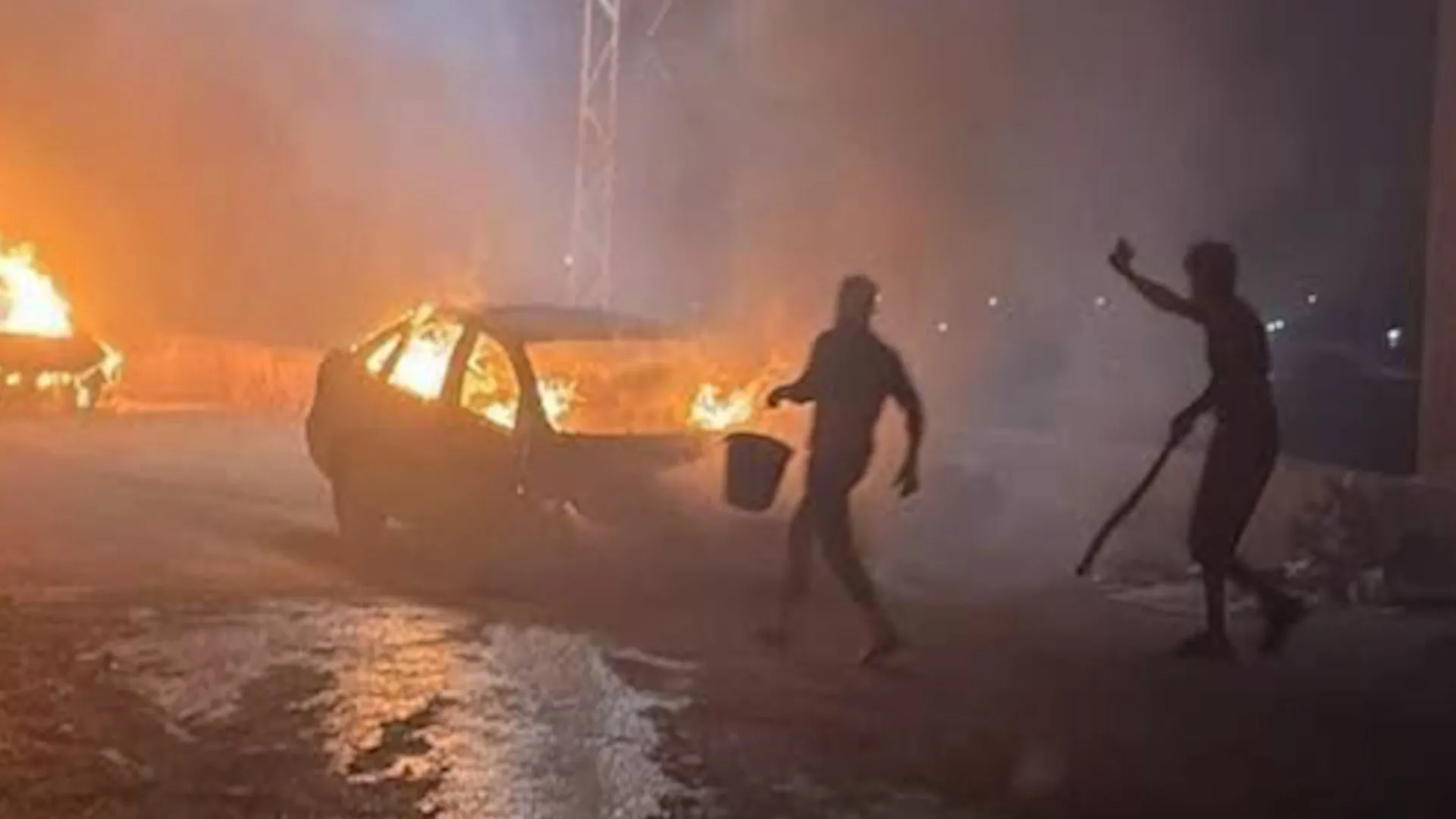
Reports and visual evidence circulating on Palestinian digital platforms indicate a significant incident in the occupied West Bank, where multiple vehicles were observed on fire. This event reportedly transpired in the area situated between the villages of Talfit and Jalud, located to the south of Nablus. The cause of the conflagration has been attributed, in these reports, to an alleged attack by Israeli settlers. The incident has drawn attention to the ongoing tensions and volatile situation characterizing the region.
Details Emerge from Visual Documentation
Videos shared across various Palestinian online channels depict scenes of cars fully engulfed in flames, with thick plumes of smoke rising into the air. While the exact sequence of events leading to the fires remains under investigation and subject to differing accounts, the visual evidence underscores the severity of the situation. The footage serves as a primary source of information for the initial reports, illustrating the immediate aftermath of the alleged incident. The specific number of vehicles affected has not been definitively confirmed, but the imagery suggests a substantial impact.
Geographical Context of the Affected Area
The villages of Talfit and Jalud are situated in a particularly sensitive part of the occupied West Bank, an area frequently associated with friction between Palestinian residents and Israeli settlers. This region, south of Nablus, is dotted with both Palestinian communities and Israeli settlements, creating a complex and often contested landscape. The proximity of these communities often leads to heightened tensions, and incidents of various natures are not uncommon. Understanding this geographical and demographic context is crucial for comprehending the broader implications of such events.
Background of Settler-Related Incidents in the West Bank
The occupied West Bank has a long history of incidents involving Israeli settlers and Palestinian communities. These events can range from property damage and agricultural sabotage to direct confrontations. Both sides often present contrasting narratives regarding the instigation and progression of such incidents. International bodies and human rights organizations frequently monitor and report on these occurrences, expressing concerns about their impact on the civilian population and the overall stability of the region. The legal status of Israeli settlements in the West Bank is a contentious issue under international law, with many nations considering them illegal. This legal and political backdrop further complicates efforts to address and resolve the underlying causes of conflict.
The reported incident involving burning vehicles between Talfit and Jalud highlights the persistent challenges to peace and stability in the occupied West Bank. Such events often exacerbate existing grievances and contribute to a cycle of mistrust and animosity between communities. Objective investigation and adherence to international legal principles are essential for de-escalating tensions and fostering an environment conducive to dialogue and resolution.
Reactions and Potential Implications
News of the alleged settler attack and the resulting vehicle fires is likely to elicit strong reactions from various stakeholders. Palestinian officials and residents are expected to condemn the act, calling for accountability and protection. Israeli authorities may launch their own investigations, though the outcomes of such inquiries are often met with skepticism by the Palestinian side. The incident could also draw attention from international media and diplomatic entities, potentially leading to calls for restraint and a renewed focus on the broader Israeli-Palestinian conflict. The long-term implications of such events often include increased security measures, further restrictions on movement, and a deepening of animosity, making efforts towards a peaceful resolution more challenging.
Challenges in Verification and Reporting
In regions marked by conflict and deep-seated political divisions, the immediate verification of incident details presents significant challenges. Initial reports, often sourced from social media and local outlets, provide a snapshot of events but may lack comprehensive corroboration from independent sources. The absence of immediate official statements from all parties involved can lead to a vacuum of information, which is often filled by partisan accounts. Journalists and observers striving for neutrality face the difficult task of sifting through various narratives to establish a factual understanding of what transpired. This incident, like many others in the West Bank, underscores the importance of careful reporting and the need for independent investigations to ascertain the full truth and assign responsibility.
The ongoing cycle of violence and alleged provocations in the West Bank continues to be a major obstacle to any meaningful peace process. Incidents such as the reported burning of vehicles serve as stark reminders of the fragility of the situation and the urgent need for sustained efforts to address the root causes of conflict and ensure the safety and security of all inhabitants in the region.