Overview of the Incident
A somber atmosphere has enveloped the North Shewa Zone of Ethiopia's Amhara region following a fatal landslide that struck a mountain monastery. The catastrophe unfolded during the early hours of Monday morning, as a hillside above the Tsadqane Debre Mitmaq St Mary Monastery collapsed. Worshippers had gathered for an overnight prayer session within a prayer chamber carved directly into the mountainside. The immediate aftermath saw extensive rescue operations, which have since concluded, with a confirmed death toll of 14 individuals and several others injured.
Local officials described the event as a direct consequence of prolonged heavy rainfall. Dagnachew Azbite, a senior local official, conveyed that the ground above the cave structure, where the prayer service was underway, gave way after an entire night of incessant rain. This tragic convergence of natural elements and human activity led to the devastating loss of life. Among the injured, seven individuals were discovered, with five sustaining severe injuries, necessitating urgent medical attention.
The Prayer Service and Its Significance
The monastery was hosting a special prayer service that included a holy water cleansing ritual, a practice deeply ingrained in the traditions of Orthodox Christians. This ritual is often sought by individuals seeking spiritual healing for various chronic ailments. Megabe Hadis Neka Tibeb Ababu, the general manager of the diocese, noted that a significant number of those who perished had congregated specifically to participate in this holy water ceremony, underscoring the spiritual importance of the gathering.
Following the recovery efforts, funerals have been held for some of the victims. Eleven of the deceased were interred at the monastery itself, a testament to their connection to the sacred site. The remaining bodies were transported to their respective hometowns for burial, facilitating closure for their families. Identifying some of the victims presented challenges, further complicating the grieving process for relatives and authorities alike.
Community and Ecclesiastical Response
The response to the disaster saw a concerted effort from various sectors. Emergency teams, security personnel, healthcare workers, and local residents from surrounding communities collaborated tirelessly in the search and rescue operations. Their swift actions were crucial in attending to the injured and recovering the deceased amidst the challenging terrain and debris. The outpouring of support from the local populace underscored the strong community bonds in the region.
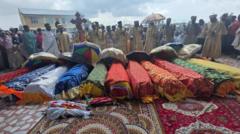
Archbishop Abune Klementos, who heads the Ethiopian Orthodox Church's North Shewa Diocese, traveled to the monastery to personally oversee and lead the funeral prayers for those who lost their lives. His presence provided spiritual comfort and leadership during a period of immense sorrow. In addition to conducting the prayers, the Archbishop also offered solace and support to the grieving families and prayed for the swift recovery of the injured, embodying the church's role in times of crisis.
Recurrent Natural Disasters in Ethiopia
This tragic landslide is not an isolated incident but rather a stark reminder of the recurring natural hazards that afflict Ethiopia, particularly during its main rainy season, which typically spans from June to August. The country experiences a heightened risk of landslides and floods during this period due to heavy precipitation, often leading to significant loss of life and displacement.
Earlier in the year, in March, over 100 individuals lost their lives in the southern Gamo Zone area due to floods and landslides triggered by intense rainfall. Furthermore, July 2024 witnessed one of the nation's most severe weather-related disasters in recent memory, when a landslide in the neighboring Geze Gofa Zone claimed the lives of more than 229 people, including rescuers. These incidents collectively highlight the vulnerability of many Ethiopian communities to extreme weather events.
Over the past two decades, scientific studies have consistently documented an increase in both extreme wet spells and prolonged dry periods across East Africa. This shifting climate pattern contributes to the heightened frequency and severity of such natural disasters. Scientists have repeatedly warned that human-induced climate change is exacerbating these severe weather events, leading to more intense and long-lasting downpours, which in turn increase the risk of landslides and flooding. The incident at Tsadqane Debre Mitmaq St Mary Monastery serves as a poignant example of these broader environmental trends and their devastating human cost.