A New Era for Gulf Security
The perception of Gulf states as passive recipients of security is undergoing a significant re-evaluation, particularly in the wake of recent regional conflicts. These events have underscored the limitations of relying solely on external security guarantees, prompting a strategic shift towards developing a more robust, integrated, and self-reliant security architecture within the Gulf region. The immediate aftermath of hostilities, marked by temporary ceasefires and failed diplomatic initiatives, has reinforced the understanding that enduring peace requires more than intermittent pauses in conflict; it necessitates a fundamental rethinking of how the region secures itself against persistent threats.
Despite repeated attempts at de-escalation, the fundamental challenge remains: Gulf nations coexist with a state possessing the capacity and willingness to project power across borders. This reality, often termed a 'geographic destiny,' indicates that the problem is not one of goodwill but of strategic necessity. Consequently, the focus is shifting from seeking another 'security umbrella' to constructing a comprehensive 'security ecosystem' – one that is resilient, adaptable, and rooted in regional collaboration.
Lessons from Recent Conflicts
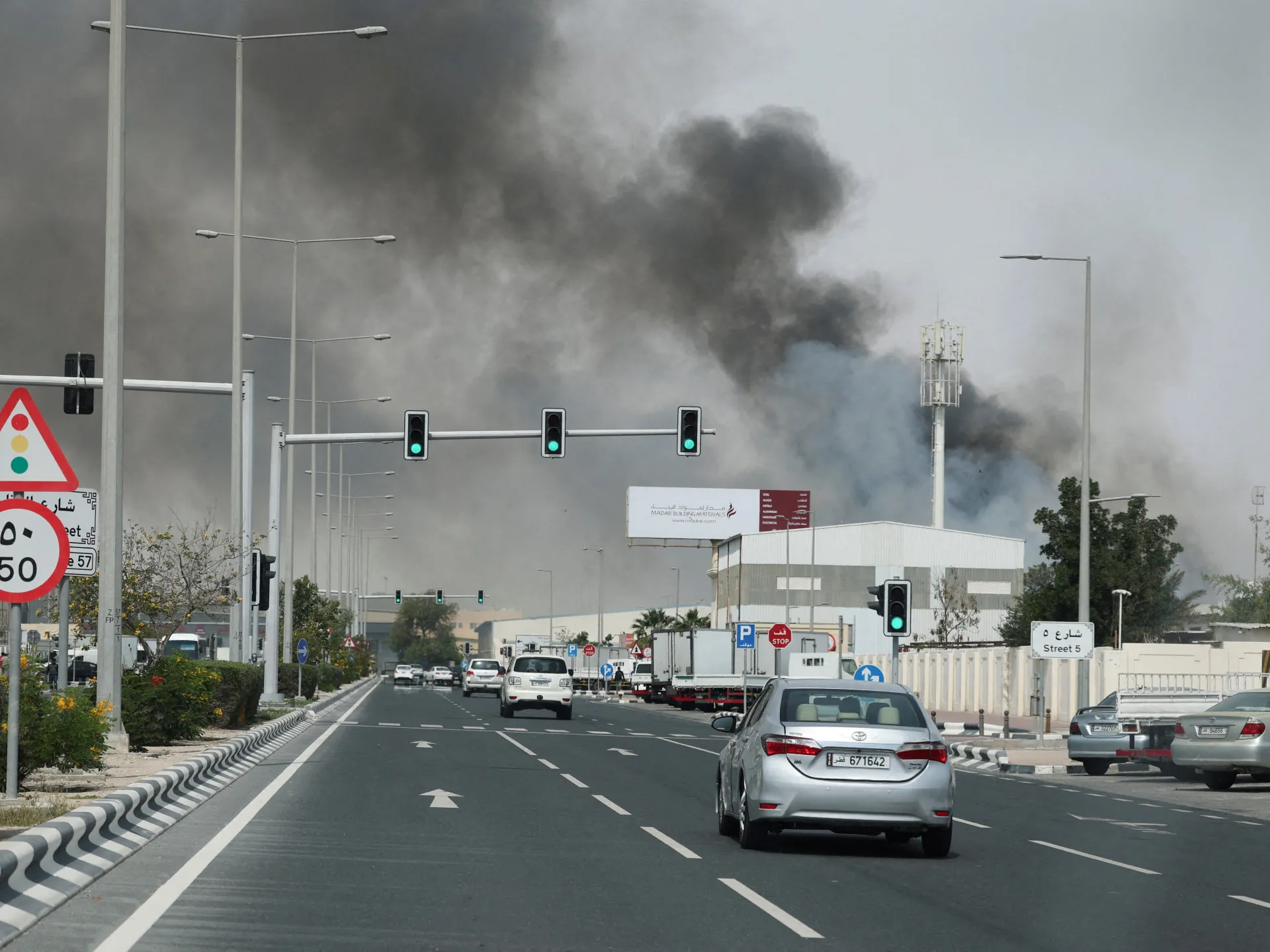
Recent hostilities provided critical insights into the region's existing defensive capabilities. During the early stages of conflict, integrated air and missile defense systems, developed over a decade of investment and linked with U.S. technologies, demonstrated their effectiveness by intercepting a significant majority of incoming projectiles. However, the nature of the attacks, with a substantial portion targeting civilian infrastructure such as power stations, desalination plants, and airports, revealed a broader strategic objective beyond military engagement. These actions were intended to impose economic costs and generate public pressure, compelling Gulf capitals to concede to external demands while simultaneously disrupting the global economy. Although the defensive shield largely held, preventing escalation and capitulation, the attacks still inflicted economic damage and exposed vulnerabilities in maritime security that will have lasting repercussions.
Observers in Washington and Tel Aviv sometimes interpreted the Gulf's measured response as passivity, while Tehran viewed it as weakness. However, this interpretation overlooks the strategic nuance: restraint coupled with effective defense is distinct from restraint born of vulnerability. This approach allowed Gulf states to maintain communication channels with all parties, even as hostilities resumed, positioning them as crucial interlocutors in a complex geopolitical landscape.
Beyond Traditional Security Guarantees
A crucial, albeit uncomfortable, realization for the region is that decades spent cultivating external security guarantees did not prevent involvement in conflicts that were neither initiated nor consulted upon. While integrated defenses performed effectively, the surrounding political security architecture proved inadequate. The inclination to revert to familiar solutions, such as expanded U.S. guarantees or an 'Arab NATO,' often assumes that security is an external provision rather than an internal construct. A truly effective security ecosystem must be assembled from within, built upon several interconnected layers.
Four Pillars of a New Security Ecosystem
- U.S. and European Enabling Capacity: The U.S. role remains indispensable for its advanced equipment, missile defense systems, intelligence sharing, logistics, and command-and-control capabilities. The key lies in evolving this relationship into a genuine partnership with joint planning, interoperability, and clearly defined responsibilities, ensuring that Gulf states are active participants in decisions affecting their security. European nations, with their naval presence and growing interest in maritime security, offer complementary support, particularly in areas like maritime defense, training, and infrastructure protection. Furthermore, adopting NATO standards and doctrines could facilitate greater military collaboration without requiring full membership.
- Gulf Cooperation Council (GCC) Core: At the heart of this ecosystem lies the GCC, with its national forces. The focus here is on integrating air and missile defenses, establishing shared early warning systems, enhancing maritime domain awareness, fusing intelligence, and bolstering cybersecurity. Hardening critical infrastructure—energy, water, and transportation—is also paramount. While national forces proved capable against some attacks, a broader Gulf-wide capability is needed to address threats like the potential closure of vital shipping lanes.
- Wider Regional Partnerships: The 'R4' group, comprising Egypt, Saudi Arabia, Turkey, and Pakistan, represents a significant development. This alliance links Gulf and Levantine security with the Palestinian cause, providing strategic depth that the GCC alone cannot achieve. While not a monolithic bloc, these nations share a common stance against sovereignty violations, maritime disruption, the use of armed proxies, and the resolution of political issues through force. This framework has already demonstrated its capacity for consultative weight and regional action, as evidenced by Pakistan's diplomatic efforts and the recent formation of a 14-state maritime defense coalition for critical waterways.
- Industrial Base: Moving beyond mere procurement to joint production is essential for strategic autonomy. The Gulf possesses capital and political will, while countries like Turkey, Egypt, and Pakistan offer manufacturing capabilities and engineering expertise. Collaborations, such as the joint venture between Barzan Holdings and the UAE's EDGE Group for missiles, unmanned systems, and satellites, exemplify this shift. The goal is not complete self-sufficiency but ensuring that essential defenses cannot be unilaterally disabled by external political decisions.
Addressing Broader Geopolitical Factors
The Gulf's relationships with global powers like Russia and China must also be integrated into this new security framework. Allegations of Russian intelligence sharing with Iran and China's provision of satellite imagery used in attacks highlight the need for clear boundaries. Any external power whose technology facilitates aggression against Gulf states or shipping cannot expect its broader relationship with the region to remain unaffected. Transparency and discussions on maritime security, particularly with China as a major trading partner, are crucial.
Ultimately, while Iran and Israel represent long-term challenges, the immediate objective is deterrence, maintaining military communication channels, and safeguarding civilians and commercial shipping. In the longer term, the ecosystem must remain open to engagement with all parties, provided there is respect for sovereignty, an end to interference and proxy warfare, and, in Israel's case, genuine progress toward a two-state solution. The Palestinian question remains central, and any security arrangement that treats it as an afterthought will lack credibility.
The events of recent months have demonstrated that Gulf states possess significant defensive capabilities that are effective when integrated with partner systems. Furthermore, they have shown an ability to mediate between adversaries and convene multinational coalitions to address shared threats. This marks a profound shift: after fifty years of consuming security on terms largely set by others, the Gulf is now actively engaged in producing its own security architecture.