Overview of the Spokane Wildfires
Wildfires have recently caused significant disruption and damage in the vicinity of Spokane, Washington, necessitating the evacuation of tens of thousands of residents. The fires have had a substantial impact on the region, altering landscapes and devastating residential areas. As of reports earlier this week, authorities in Spokane have confirmed that approximately 600 homes have been lost to the inferno, underscoring the severity of the incident and the challenges faced by the affected communities.
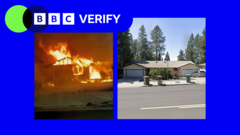
The scale of destruction has prompted a detailed examination of the affected zones. Forensic visual analysis has been employed to meticulously document and compare the state of various locations before and after the wildfires. This process involves cross-referencing user-generated content and official imagery captured in the aftermath of the fires with historical photographic records of the same streets and properties. The objective is to provide a clear, objective assessment of the damage, illustrating the transformation from intact neighborhoods to scenes of widespread devastation.
The Impact on Residential Areas
The visual evidence collected paints a stark picture of the fires' intensity and reach. Homes, once vibrant and lived-in, have been reduced to charred remains, with only their foundations or skeletal structures left standing. The fires did not discriminate, engulfing everything in their path. Personal vehicles, a common sight in any residential area, have been rendered unrecognizable, mere husks of metal, melted and twisted by the extreme heat. These images serve as a powerful testament to the destructive power of natural disasters and the immediate, overwhelming impact they have on human lives and property.
The loss of 600 homes represents not just a material setback but a profound emotional and social one for the individuals and families who resided in them. Each destroyed home signifies a loss of personal history, cherished belongings, and a sense of security. The displacement of such a large number of people further exacerbates the crisis, creating immediate needs for shelter, food, and support services. Community resources are being stretched as efforts focus on providing aid to those who have lost everything and on beginning the long process of recovery.
Methodology of Damage Assessment
The assessment of damage has leveraged modern verification techniques, utilizing a combination of publicly available content and specialized analytical tools. This approach allows for a comprehensive understanding of the fires' footprint and the extent of the destruction. By comparing 'before' and 'after' images, experts can precisely identify affected structures and areas, contributing to more accurate damage estimates and aiding in the planning of recovery efforts.
The process typically involves:
- Collection of Post-Fire Imagery: Gathering videos and photographs shared online by residents, first responders, and news organizations from the affected areas.
- Historical Image Sourcing: Locating pre-fire images of the same locations through satellite mapping services, street view applications, and archival photographs.
- Geographic Matching: Precisely aligning the post-fire imagery with its corresponding pre-fire counterpart using geographical markers and recognizable landmarks.
- Visual Comparison and Analysis: Systematically comparing the two sets of images to identify and quantify the damage to structures, vegetation, and infrastructure.
This meticulous methodology ensures that the assessment of destruction is based on verifiable evidence, offering a factual representation of the wildfires' impact.
Broader Implications and Recovery Efforts
Beyond the immediate devastation, the Spokane wildfires raise broader questions about climate change, land management practices, and urban planning in fire-prone regions. The increasing frequency and intensity of such events highlight the urgent need for robust preventative measures, effective emergency response strategies, and sustainable rebuilding initiatives.
The recovery process will undoubtedly be extensive and challenging, requiring significant resources and coordinated efforts from local, state, and federal agencies, as well as non-profit organizations and community volunteers. It involves not only the physical reconstruction of homes and infrastructure but also the emotional and psychological healing of a community deeply affected by loss. The resilience of the Spokane community will be tested as they embark on the journey toward rebuilding and restoring their lives in the aftermath of this destructive event.
The visual documentation of this disaster serves as a critical tool, not just for damage assessment but also for public awareness, illustrating the stark realities of wildfires and their profound consequences on human settlements and natural environments.