Overview of the Wildfire Situation
A significant wildfire event has gripped the region near Spokane, Washington, prompting extensive emergency responses and large-scale evacuations. For three consecutive days, firefighters have been actively engaged in efforts to contain and extinguish the fast-moving blaze. The severity of the situation is underscored by the displacement of over 60,000 residents, who have been compelled to leave their homes for safety.
The incident highlights the increasing challenges posed by wildfires, particularly in areas prone to dry conditions and strong winds. Emergency services have been working around the clock, deploying substantial resources to manage the crisis. The immediate priority remains the protection of human life and critical infrastructure, while simultaneously striving to bring the fires under control.
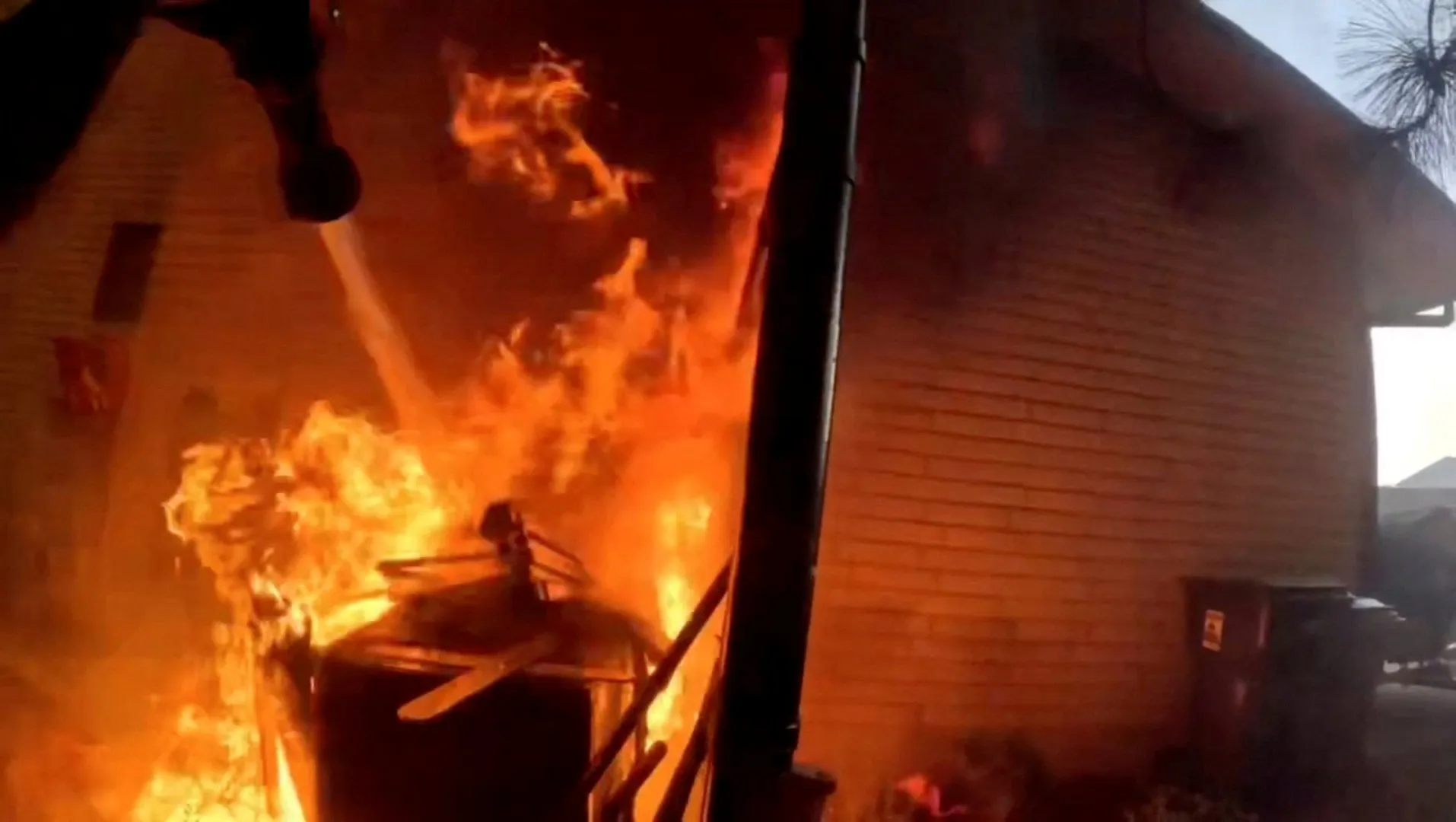
Insights from Bodycam Footage
Recent bodycam video captured by firefighters on the ground offers a unique and direct perspective into the operational environment of combating such a large-scale inferno. The footage vividly illustrates the demanding and high-stakes nature of their work, emphasizing the rapid decision-making and physical exertion required to tackle the flames effectively. Viewers can observe the dynamic and unpredictable behavior of the fire, as well as the coordinated strategies employed by emergency personnel.
These visual accounts are invaluable for understanding the complexities involved in wildfire suppression. They demonstrate not only the immediate danger faced by firefighters but also the sophisticated techniques and equipment utilized to mitigate damage and protect communities. The speed at which these fires can spread, as depicted in the footage, underscores the urgency with which response teams must operate.
Evacuation Efforts and Community Impact
The decision to evacuate more than 60,000 individuals was a critical measure taken to ensure public safety. Such large-scale evacuations are complex logistical undertakings, requiring careful planning and execution to minimize chaos and ensure everyone's well-being. Local authorities, in conjunction with various relief organizations, have been instrumental in establishing temporary shelters and providing essential services to those displaced.
The impact on the affected communities extends beyond immediate displacement. Residents face uncertainty regarding the safety of their homes and properties, and the long-term emotional and economic consequences of such events can be substantial. The disruption to daily life, including school closures and business interruptions, adds further strain to the affected areas. Community resilience and support networks play a crucial role during these challenging times.
Challenges in Wildfire Management
Wildfire management presents a multifaceted set of challenges. Factors such as topography, weather conditions (including wind speed and direction, temperature, and humidity), and the type of vegetation all significantly influence a fire's behavior and intensity. The Spokane fire, like many others in the northwestern U.S., has been exacerbated by conditions conducive to rapid spread, making containment particularly difficult.
Firefighters employ a range of tactics, from direct attack methods using water and fire retardants to indirect strategies involving the creation of firebreaks and controlled burns. The strategic deployment of ground crews, air tankers, and helicopters is essential for a comprehensive response. However, the sheer scale and unpredictable nature of these blazes often push resources to their limits, necessitating inter-agency cooperation and mutual aid agreements.
Furthermore, the increasing frequency and intensity of wildfires in recent years have prompted ongoing discussions about climate change, land management practices, and urban planning in wildland-urban interface zones. These broader considerations are vital for developing long-term solutions and enhancing preparedness for future wildfire seasons.
Looking Ahead: Recovery and Prevention
As efforts continue to bring the Spokane wildfire under control, attention will eventually shift towards recovery and rehabilitation. This phase involves assessing damage, supporting rebuilding efforts, and addressing the environmental impacts of the fire. Reforestation, erosion control, and habitat restoration are often critical components of post-fire recovery.
In the longer term, prevention strategies are paramount. These include public education campaigns on fire safety, responsible land use planning, and proactive vegetation management to reduce fuel loads. Investing in advanced monitoring systems and early detection technologies can also significantly improve response times and potentially mitigate the severity of future wildfire events. The experience gained from incidents like the Spokane wildfire provides valuable lessons for enhancing future preparedness and resilience in fire-prone regions.